Kenya in November is green, quieter and full of birds. The short rains have started, and Palearctic migrants are arriving from Europe and northern Asia. Crowds have thinned since the July-to-October peak, so lodges often cost less. This Kenya safari November birding guide compares five parks and shows what a realistic route looks like. For birders who can handle a little mud, a Kenya birding safari in November is hard to beat.
Is November a Good Month for a Kenya Safari Birding Trip?
Yes. November ranks among Kenya’s strongest birding months. Short rains trigger breeding activity, resident birds show brighter plumage, and Palearctic migrants begin arriving from Europe and northern Asia. Roads and big-game viewing are less predictable than in the dry season, though mornings are usually clear.
Rain greens the landscape, insects multiply, and birds turn more active, making November the best time for bird watching in Kenya. Photographers can start before sunrise and use soft, overcast light for portraits. A beanbag steadies long lenses when the engine is off. SafariPure builds these early starts into every November route.
Kenya November Weather and Short Rains
Kenya’s November weather is warm, green and intermittently wet, not rainy all day. Short afternoon showers are common, but mornings stay clear for game drives. Temperatures range from about 15 to 30°C depending on altitude and region.
Nairobi highs reach about 25°C. In the Masai Mara, mornings are cool and afternoons can hit 28°C. At higher altitudes like Kakamega Forest, nights can drop to 15°C or below. Rain usually falls between early afternoon and evening, leaving mornings as the best birding hours. Kenya safari weather in November rewards early risers.
Road conditions matter more in November than in July. Black-cotton soil turns slippery fast, and streams can rise. SafariPure uses 4×4 Land Cruisers with high clearance and experienced drivers. Read more about how safari vehicles handle Kenya’s short rains before you book.
5 Best Parks in This Kenya Safari November Birding Guide
Choose Lake Nakuru and Lake Naivasha for migrant waders, flamingos, pelicans and waterbirds. Choose Amboseli for wetland species with Kilimanjaro views. Choose Masai Mara for savannah birds and raptors, and Samburu for dry-country specialists.
These five parks offer Kenya’s best birding for November, based on habitat variety and species lists.
1. Lake Nakuru National Park
Lake Nakuru is a soda lake in the Rift Valley, about 160 km from Nairobi. The KWS entrance fee is USD 90 per adult per day. Expect lesser and greater flamingos, great white pelicans, African fish eagles, pied kingfishers and yellow-billed storks along the shoreline and acacia woodland. Lake levels shift yearly, so check current conditions with your guide.
2. Lake Naivasha
Lake Naivasha is a freshwater lake about 90 km from Nairobi, not a KWS park. Private lodges, boat operators and conservancies manage access, with fees of an indicative USD 20 to 60 per adult per day. A morning boat trip is the best way to see African fish eagles, herons, cormorants, kingfishers and migrant waders.
3. Amboseli National Park
Amboseli is a KWS park in the south, about 240 km from Nairobi. The entrance fee is USD 90 per adult per day. Seasonal swamps near the park center hold lesser flamingos, pelicans, yellow-billed storks and herons. Mount Kilimanjaro, when clouds clear in the morning, makes Amboseli ideal for landscape bird photographs.
4. Masai Mara National Reserve
The Mara is a county-run reserve, not a KWS park. The Narok County fee for non-residents is USD 200 per adult per day from July through December, so November stays at peak rates. Open grassland holds secretarybirds, kori bustards, ostriches, crowned cranes and raptors, while European migrants gather near the Mara River.
5. Samburu National Reserve
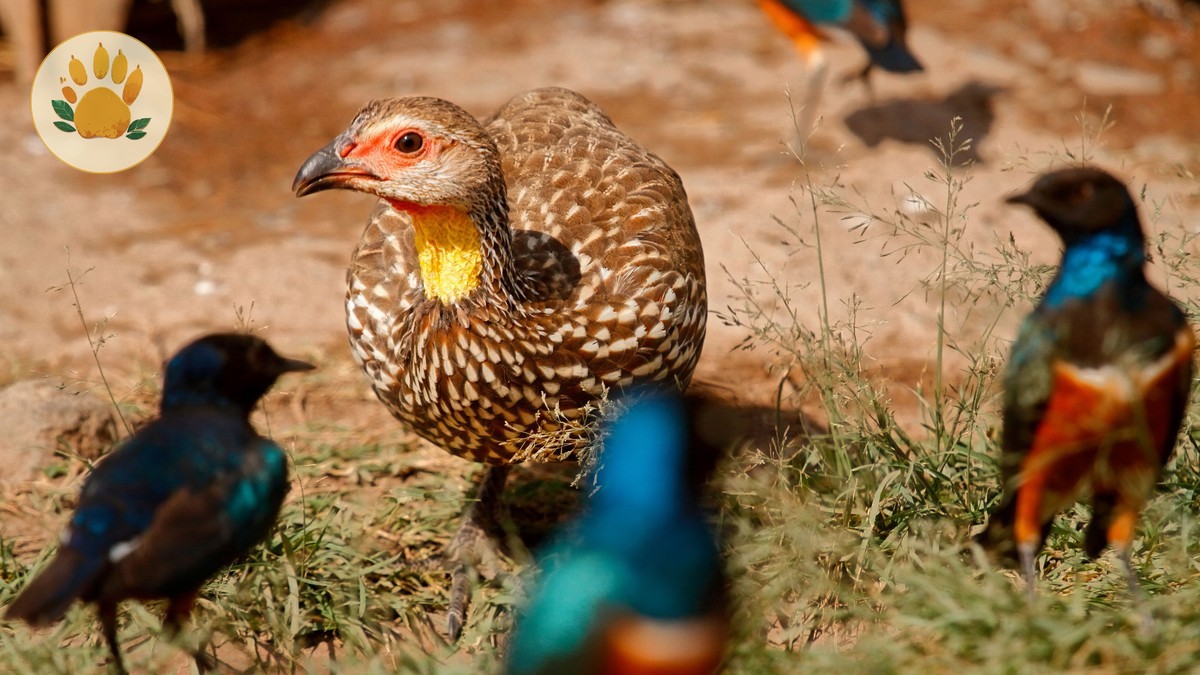
Samburu sits in the dry north, about 340 km from Nairobi, and is not a KWS park. Entrance fees vary by operator, at an indicative USD 60 to 80 per adult per day. Riverine forest and dry bush hold vulturine guineafowl, Somali bee-eaters, golden-breasted starlings and other dry-country specialists.
November park comparison at a glance
| Park | Habitat | November entrance fee (USD/adult/day) | Drive from Nairobi |
|---|---|---|---|
| Lake Nakuru National Park | Soda lake, acacia woodland | 90 | 160 km, about 2.5-3 hr |
| Lake Naivasha | Freshwater lake, papyrus fringe | indicative 20-60 depending on access | 90 km, about 1.5-2 hr |
| Amboseli National Park | Seasonal swamps, savannah | 90 | 240 km, about 4-5 hr |
| Masai Mara National Reserve | Open grassland, riverine woodland | 200 (July-December rate) | 280 km, about 5-6 hr |
| Samburu National Reserve | Dry forest, semi-desert | indicative 60-80 | 340 km, about 5.5-6.5 hr |
Kakamega Forest adds rainforest species to any itinerary. It sits roughly 350 to 400 km west of Nairobi and works best as a two-night extension.
Birds and Seasonal Sightings to Expect
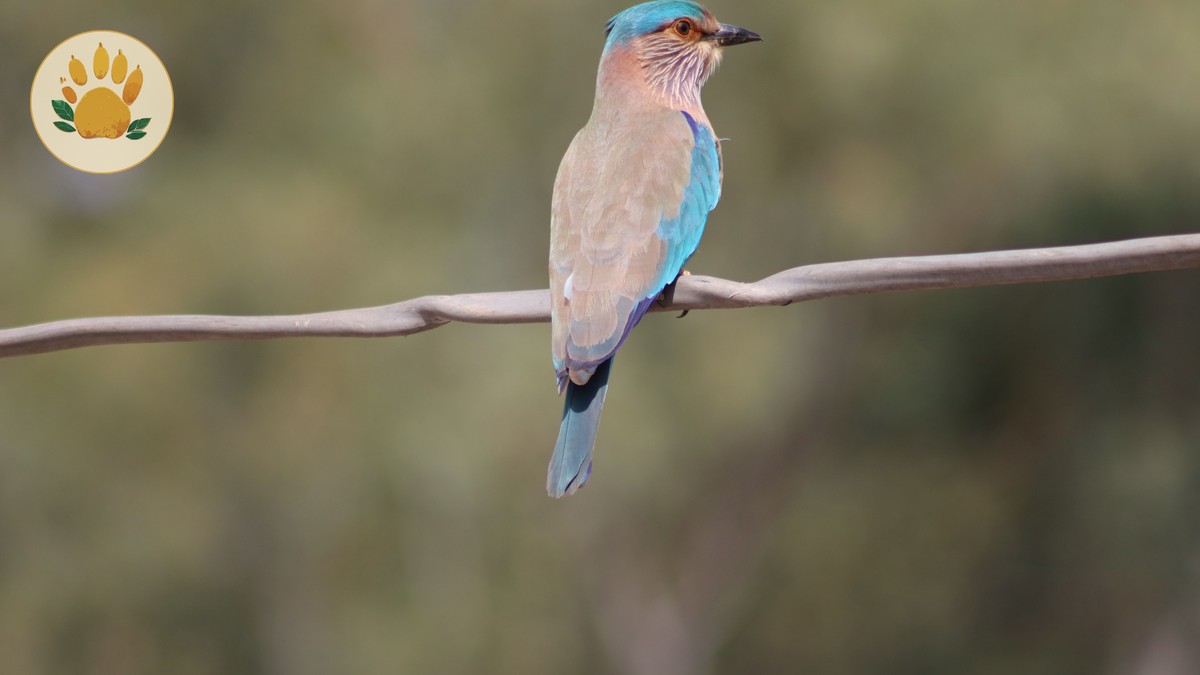
November can bring resident birds in breeding plumage, intra-African migrants, returning Palearctic migrants, raptors, waders and wetland species. Likely targets include flamingos, great white pelicans, African fish eagles, kingfishers, crowned cranes, kori bustards, secretarybirds, vulturine guineafowl and Somali bee-eaters, depending on the route.
Waterbirds dominate at the Rift Valley lakes, the Mara offers grassland birds and raptors, and Samburu gives a different set of dry-country targets. Migratory birds in Kenya keep arriving through November, so each week adds new species. A good field guide and a local guide who knows calls help you find more birds faster.
November Birding Safari Itinerary and Logistics
Plan at least five to eight nights and combine different habitats rather than staying in one reserve. A practical route links Nairobi or Lake Naivasha, Lake Nakuru, the Masai Mara and either Amboseli or Samburu. Schedule longer morning drives and keep afternoons flexible for rain.
A realistic five-night route looks like this:
- Night 1: Lake Naivasha. Arrive from Nairobi, afternoon birding from a boat.
- Night 2: Lake Nakuru. Morning game drive in the park, afternoon in the acacia woodland.
- Nights 3-5: Masai Mara. Three full days for savannah birds and raptors.
For seven or eight nights, replace one Mara day with Amboseli or Samburu, or add two nights in Kakamega Forest for serious listers.
Early starts give the best light and the most active birds. Afternoon rain can close a track, so let your driver make the call. SafariPure chooses camps with dry access and pop-up roof vehicles for long hours on the road. If you plan a week of camping in the Mara, read about private toilet options in the Masai Mara before you confirm your camp.
Kenya Safari Costs, Crowds and Practical Packing
November is generally a value month, with lower demand than the July-to-October peak, though prices vary by park, camp and transport style.
Budget camping runs USD 100 to 180 per person per night, mid-range lodges USD 200 to 350, and luxury camps USD 450 to 700 or more. Park fees at Nakuru and Amboseli are USD 90, and at the Mara USD 200. Samburu and Naivasha access fees are lower and vary. In private conservancies such as Naboisho or Mara North, the conservancy fee is bundled into lodge rates and usually adds USD 80 to 150 per person per night.
Crowds are lighter than in August, though you will still share the Mara with other vehicles at famous river crossings. Birding areas and trailheads stay quieter, and a four-wheel-drive vehicle, a reliable driver and flexible dates reduce weather risk.
Pack a rain cover, silica gel packets, lens cloths and a dry bag for your camera. Waterproof walking shoes matter more than a second telephoto lens, and binoculars, a field guide and a light rain jacket round out the kit.
Plan Your November Birding Safari with SafariPure
The short rains reward birders who plan around them. SafariPure designs November routes that use clear mornings, choose camps with dry access, and leave time to sit with a target bird.
Ready to book your November birding safari? Share your target species list and travel dates, and we will build a route around light and habitat. Start your booking on our contact page.